Buying your first home is one of the biggest decisions you’ll make – and one of the most rewarding. The market in 2026 rewards buyers who are prepared: rates have steadied, inventory is improving in most metros, and sellers are once again open to negotiation. Here’s the checklist we walk through with every first-time buyer.
1. Determine your budget
Before you look at a single listing, know what you can comfortably afford – not just what a lender will approve. A good rule of thumb is to keep your total housing payment, including taxes and insurance, under 30% of your gross monthly income.
- Add up your savings for the down payment and closing costs (typically 2–5% of the price).
- Keep three to six months of expenses in reserve after closing.
- Use our mortgage calculator to test different prices and down payments.
2. Get pre-approved, not just pre-qualified
A pre-approval means a lender has verified your income, assets and credit. It tells you exactly where you stand and shows sellers that your offer is serious – which matters when several buyers want the same home.
Two years of tax returns, recent pay stubs, two months of bank statements, photo ID and details of any debts. Having these ready can cut your approval time in half.
3. Choose the right location
You can renovate a kitchen, but you can’t move a house. Visit neighborhoods at different times of day, test your commute and look at school ratings even if you don’t have children – they strongly influence resale value.
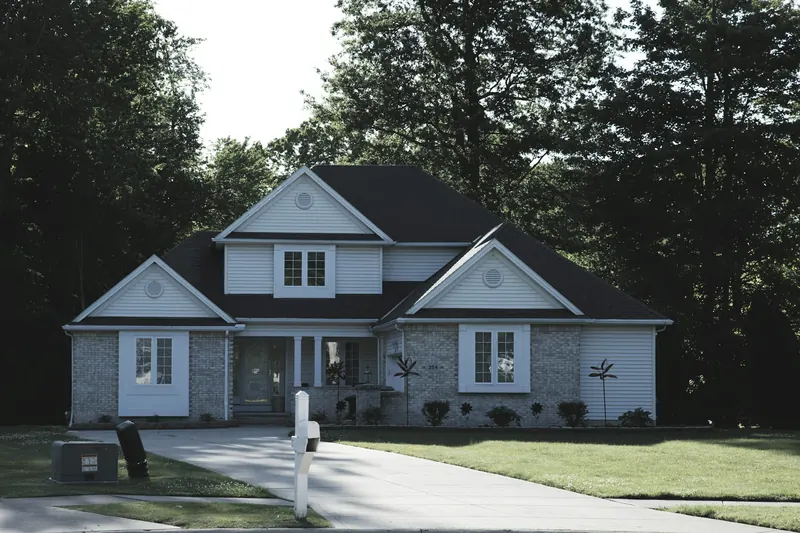

4. Tour with a checklist
It’s easy to fall for staging and forget the basics. Bring a list and take notes on each property:
- Natural light and orientation of the main rooms
- Age of the roof, windows, HVAC and water heater
- Storage, parking and outdoor space
- Signs of moisture: stains, musty smells, fresh paint in odd places
“The best home isn’t the one with the nicest finishes – it’s the one with good bones in a location you’ll still love in ten years.”— Sarah Khan, Senior Sales Agent
5. Never skip the inspection
A professional inspection typically costs $400–$700 and can uncover problems worth tens of thousands. Use the report to negotiate repairs or a price reduction – or to walk away with confidence.
Optional inspections worth considering
Depending on the home and region, ask about sewer-line scopes, termite inspections, roof certifications and, in coastal areas, wind-mitigation reports that can lower your insurance premium.
6. Make a confident offer
Your agent will pull comparable sales to recommend a price. In a balanced market, a clean offer with a solid pre-approval and flexible closing date can win against higher bids.
7. Read the disclosures and HOA documents
Seller disclosures, HOA minutes and the condo budget reveal upcoming special assessments, litigation or deferred maintenance. Ask your agent to flag anything unusual before your contingency period ends.
8. Budget for the true cost of ownership
Beyond the mortgage, plan for property taxes, insurance, utilities and maintenance – a common rule is 1–2% of the home’s value each year for upkeep.
9. Think about resale from day one
Even if you plan to stay for decades, life changes. Homes with practical layouts, good light and a second bathroom are always easier to sell.
10. Lean on your agent – and prepare for closing
Lock your rate, avoid new credit or large purchases, and schedule a final walkthrough within 24 hours of closing. Then bring a valid ID, your cashier’s check or wire confirmation – and a pen for a lot of signatures.
Ready to start? Browse homes for sale or book a free buyer consultation with our team.

Sarah is a senior sales agent at Arshan Miami with twelve years of experience helping first-time and international buyers. She writes about the practical side of buying well.
View profile