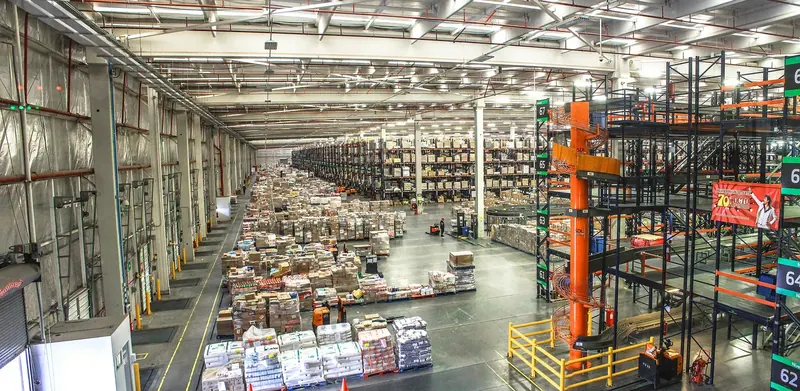
Capacity, regulation and digital tools are reshaping how goods move. Here are the shifts shippers should plan for. In this article we look at what is changing, why it matters for shippers of every size, and the practical steps your team can take now.
1. Plan for visibility, not just capacity
Booking space is only the first step. Shippers that perform best treat visibility as part of the service: they know where cargo is, when it will arrive and what might delay it. Ask your partners for milestone data you can use – not just a tracking number.
The most reliable supply chains are the ones where problems are spotted early, while there is still time to choose a different route.
2. Balance cost, speed and emissions
The cheapest option is not always the lowest total cost. Consider inventory carrying costs, the risk of stock-outs and your customers' expectations. Multimodal options – such as sea-air or road-rail – can offer a useful middle ground.
- Compare total landed cost, not freight cost alone
- Review mode choice for each lane at least twice a year
- Use consolidation to improve load utilisation
3. Keep documentation simple and accurate
Many delays are caused by missing or inconsistent documents. Standard templates, early classification checks and a single source of product data reduce holds at the border.
4. Build relationships before you need them
When disruption hits, partners who already understand your business can react faster. Regular reviews, shared forecasts and clear escalation contacts make a real difference.
If you would like to review your own network, our solutions team can help you identify quick wins and longer-term opportunities.